By Christian Agape (Editor in Chief)
What Is an RPG Game? A Beginner's Guide to Role-Playing Mechanics
An RPG is any game where your character grows through a rules-based system. Here is how that works, where the genre came from, and which subgenre to try first.

Image credit: Play This JRPG
What is an RPG game? A role-playing game lets you control a character in a fictional world, grow that character through stats, skills, and equipment, and make decisions that shape how the story and combat unfold. That holds whether you are using a controller, a mouse, or dice at a kitchen table. One thing defines the genre above everything else: your character gets meaningfully stronger through a rules-based system, and that growth carries into every encounter that follows.
At Play This JRPG, our catalog holds 3,488 role-playing games, and even inside that single corner of the genre the variety of combat styles, stories, and structures is enormous. Turn-based or action? Sprawling open world or tight story arc? Classic or brand new? This guide breaks down the core mechanics, walks through the genre's history, explains the major subgenres, and helps you decide where to start.
Key takeaways
- Progression is the core. An RPG is defined by character development through levels, stats, skills, and equipment, not just quests or fantasy settings.
- Subgenres describe how games play. Turn-based, action, tactical, JRPG, and Western RPG are labels for combat style and origin, not separate genres.
- JRPGs offer authored stories. They focus on defined characters and structured narratives, while Western RPGs give you more control over who your character is.
- The practical genre test. Remove the progression system. If the game collapses without it, it is an RPG.
- Combat style is your compass. Choosing a first RPG gets easy once you know whether you prefer turn-based planning or real-time action.
What actually makes a game an RPG?
The defining feature is persistent character development. Your character starts weak, faces challenges, earns experience and items, and becomes more capable. Those gains carry forward and shape every fight and decision after them. That is what separates the RPG from most other genres.
The progression loop at the heart of every RPG
Your character has attributes such as strength, agility, or magic, along with skills tied to them. Encounters test those numbers. Win a fight, finish a quest, or explore a new area, and the game rewards you with experience points, gold, or gear. That reward makes you stronger for the next, harder challenge.
This applies whether you are choosing "Attack" from a command menu, dodging in real time while watching a stamina bar, or rolling dice to talk your way past a guard. The medium changes. The loop does not.
Choices, combat, and rules-based consequences
The second pillar is decision-making with consequences. The game's systems turn your choices into outcomes: tactical combat decisions, dialogue options, party composition, moral choices, alliances, and how you spend resources. The world reacts to what you do, even if only slightly.
Challenges in an RPG are not limited to fighting. Puzzles, exploration, and dialogue trees all count. A conversation with an NPC that opens a hidden questline is as much an RPG moment as a climactic boss fight. The rules mediate everything.
How did RPGs go from tabletop to your TV screen?
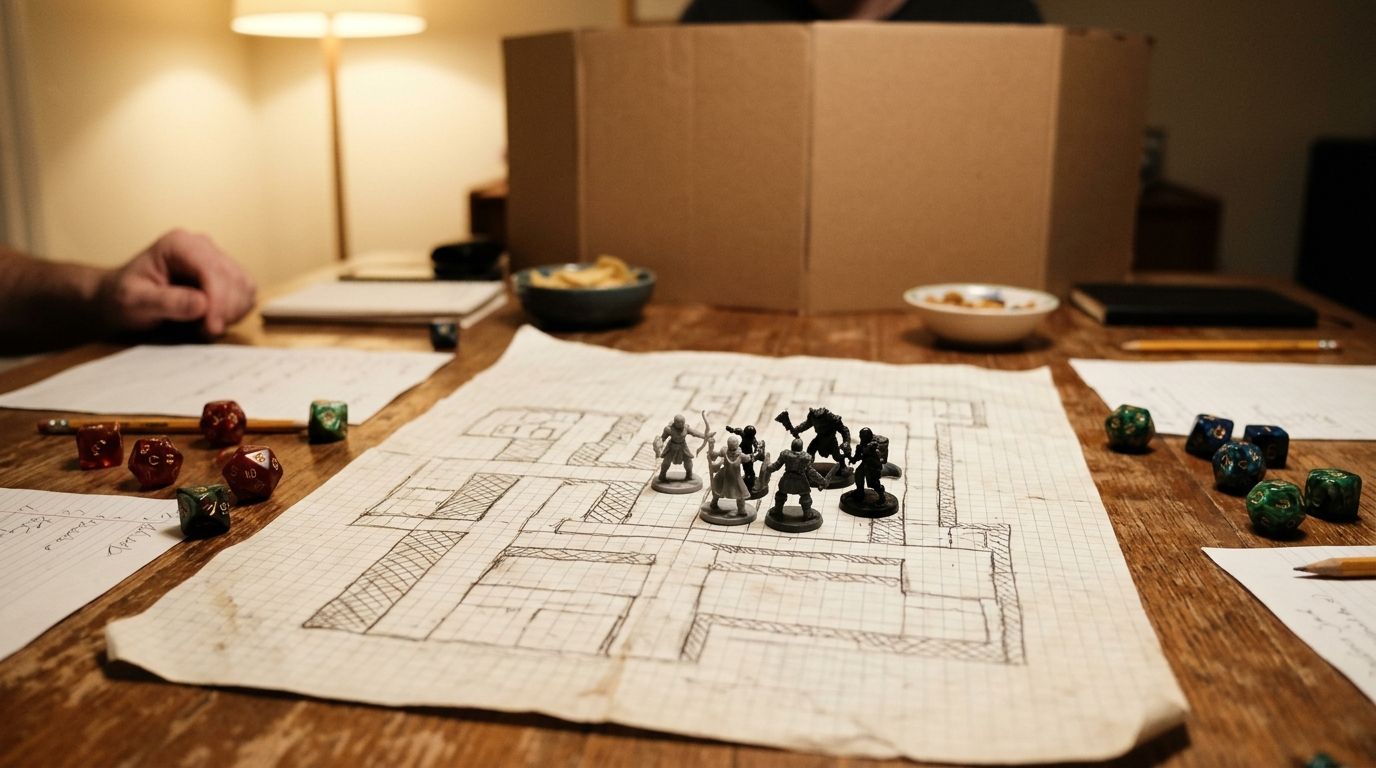
RPGs did not start on a console or a PC. They started at a kitchen table with dice, paper, and a rulebook. That origin explains why so many RPG conventions, such as experience points, character classes, and hit points, feel like they were invented for a different medium. They were.
Dungeons & Dragons and the birth of the genre
In 1974, Dungeons & Dragons formalized much of the vocabulary we now associate with RPGs: character classes, leveling, hit points, and turn-based combat. Early computer games on the PLATO system, along with titles like Rogue and Wizardry, carried those tabletop conventions straight onto a screen. The dice became calculations, and the dungeon master became code.
D&D gave developers a ready-made structure: create a character, explore a dangerous world, fight through encounters, collect treasure, improve abilities, and keep going. Video games automated the bookkeeping while preserving the shape of the experience.
The console era that set the template
In 1986, Dragon Quest simplified the Ultima and Wizardry PC formula into something accessible on a home console, and the JRPG was born. Final Fantasy followed shortly after and pushed story and party systems further. On the Western side, Baldur's Gate in 1998 brought D&D rules, companion characters, and branching dialogue to PC, reviving the choice-heavy tradition.
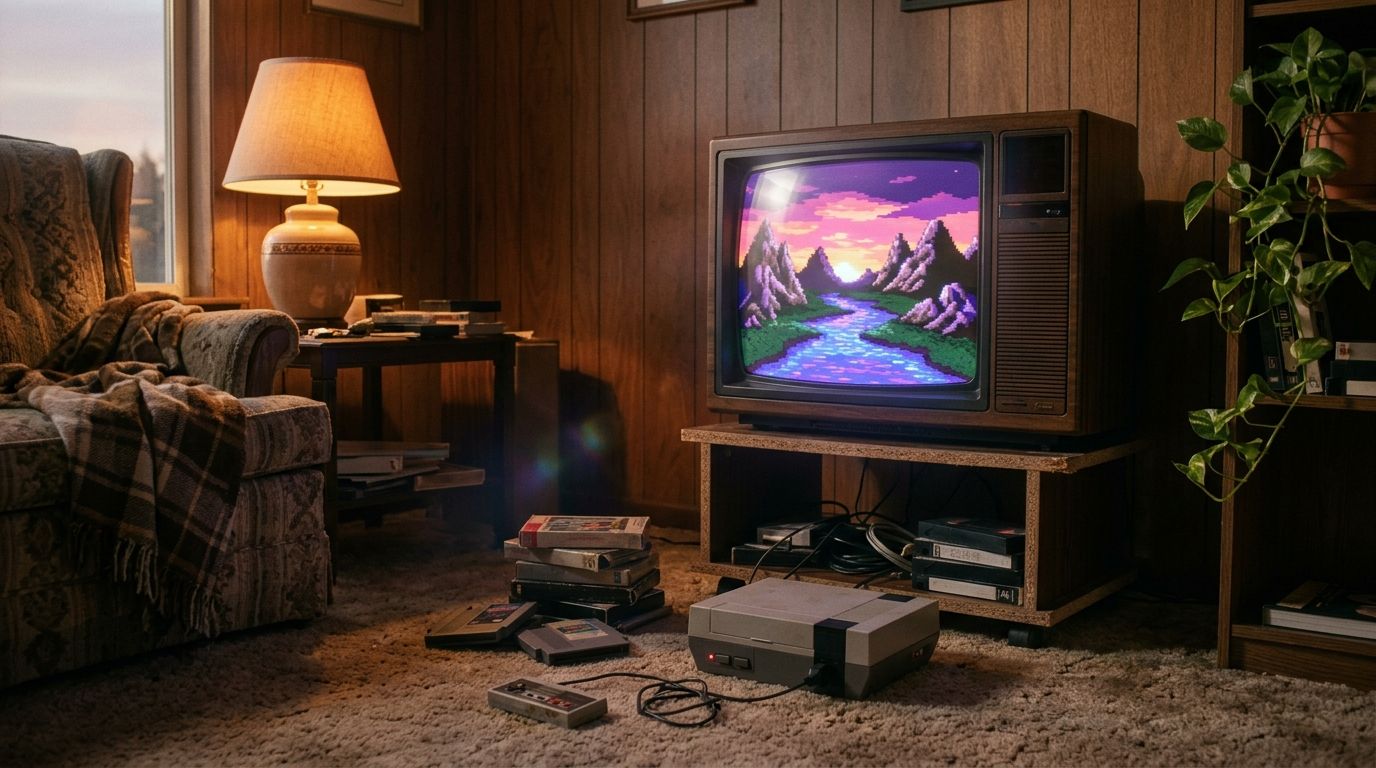
Those two lineages, the authored Japanese adventure and the player-driven Western RPG, still influence most modern RPGs and many hybrids. Understanding both makes the genre much easier to navigate.
What are the main types of RPGs?
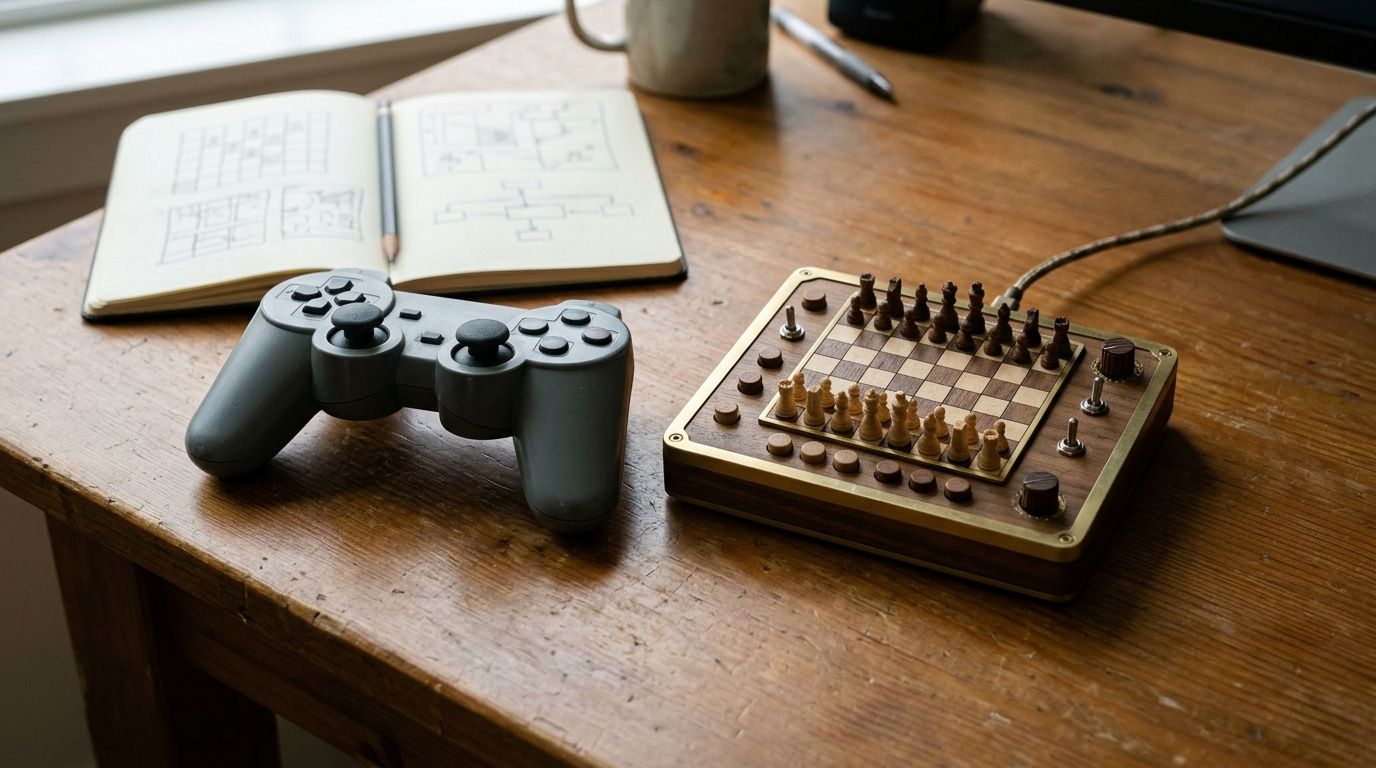
Subgenres describe overlapping dimensions: where a game was developed, how combat works, and how much freedom you have. One game can fit several labels, and that overlap is normal.
Turn-based, action, and tactical combat styles
The clearest split is how combat works. Turn-based RPGs let you pick commands from menus at your own pace, as in Persona 5 Royal or Dragon Quest XI. Tactical RPGs add a grid or positional battlefield where you place units strategically, as in Fire Emblem: Three Houses. Action RPGs put you in real-time combat where timing, dodging, and reflexes matter, and Elden Ring and Final Fantasy XVI show what that looks like in practice.
Western RPGs, JRPGs, and tabletop
Here is a quick comparison of the three biggest structural categories in the genre.
| Subgenre | Story approach | Player agency | Examples |
|---|---|---|---|
| JRPG | Authored protagonist and story arc | Combat strategy, party building, optional content | Final Fantasy, Persona, Dragon Quest |
| Western RPG | Player-shaped narrative with branching choices | Character creation, dialogue, faction decisions | Baldur's Gate 3, Skyrim, Fallout |
| Tabletop RPG | Improvised story guided by a game master | Nearly unlimited within the rules | Dungeons & Dragons, Pathfinder, Call of Cthulhu |
Categories overlap constantly. Baldur's Gate 3 is a Western RPG built on tabletop rules. Final Fantasy VII Remake is a JRPG with real-time action combat. The labels are tools for understanding, not locked boxes.
How are JRPGs different from other role-playing games?
A JRPG delivers a guided, authored experience with defined characters and story beats, while a Western RPG hands more of the narrative control to you. Neither approach is better. They suit different moods and different players.
Story structure, party systems, and authored worlds
JRPGs typically open with a protagonist the developer designed, place that character in a structured story arc, and build the experience around relationships, cutscenes, and escalating plot. You customize how characters grow through skills, equipment, and party formation, but you do not decide who they fundamentally are. Persona 5, Final Fantasy XVI, and Dragon Quest XI are clean examples of this structure.
Combat styles inside the JRPG umbrella
"JRPG" does not automatically mean turn-based. The genre covers command-based systems like the Persona series and Dragon Quest, and action-oriented real-time combat like the Tales of series and Final Fantasy VII Remake. At Play This JRPG, our hubs separate these directly: 2,595 turn-based titles, 516 action titles, and 382 tactical titles, all filterable by platform. Many games carry more than one label, so the counts overlap. You can narrow the full catalog of 3,488 games to a focused shortlist in a few clicks.
How do you tell if a game is really an RPG?
Genre labels are not official certifications. A game with quests, an open world, and dialogue trees is not automatically a role-playing game. The most reliable test is simple: does the player develop a character through a meaningful progression system, and would removing that progression fundamentally change what the game is?
RPG vs. action-adventure: where the line sits
An action-adventure game like The Legend of Zelda centers on movement, combat execution, and exploration with tools that unlock new areas. An RPG centers on a character becoming statistically stronger over time. The key question is whether character stats and builds meaningfully shape outcomes, or whether the game is mainly about player reflexes with a fixed toolset.
A game can have both, which is exactly why "action RPG" exists as a label. The distinction is not about one being more complex. It is about which system sits at the core of the experience.
Where MMOs and strategy games fit in
MMOs are not a separate genre from RPGs. They are a networked scale layered on top of RPG mechanics. An MMORPG uses levels, classes, gear, and quests inside a persistent online world shared with thousands of other players. Strategy games manage armies, economies, or territories rather than individual characters, which is why a tactics game with persistent unit leveling earns the RPG label while a pure real-time strategy game does not.
It comes down to what persists and what you manage: a character's growth in an RPG, versus a broader system in a strategy game. Once you know that, genre labels stop being confusing and start being useful.
Where should you start if you are brand new to RPGs?
Knowing what an RPG is in theory is the easy part. Knowing which game to load up first is where most newcomers get stuck. The answer depends on two things: how you like to engage with combat, and how much time you want to invest in story.
Picking the right subgenre for your playstyle
If you want to take your time, think through your moves, and follow a rich story without pressure, a turn-based JRPG is the natural entry point. If you prefer fast, hands-on combat with RPG depth underneath, an action RPG fits. If you want consequential choices that reshape a narrative around you, a Western RPG like Baldur's Gate 3 is the place to start.
This is not about skill level. It is about matching mood and preference. Plenty of beginners jump straight into demanding action RPGs and love them, and plenty of veterans prefer the calm pace of turn-based games. The genre has room for both.
Finding English-supported titles and editions on Play This JRPG
Our database lets you filter by combat style, platform, and English language support. The English support hub lists 1,340 games with confirmed English text, subtitles, or voice acting. For collectors and players who prefer physical copies, the physical editions hub covers 2,588 games. If you want one recommendation a week without creating an account, the free newsletter on the home page pairs one game pick with release notes. Use the combat style filter, check English support, and let the database do the narrowing.
The genre is enormous. Starting makes it smaller.
A role-playing game is any game where you control and develop a character through a rules-based system in a fictional world. The core ingredients are progression and meaningful choice, with gains that persist across every session. Combat style, story structure, platform, and subgenre label are all variations on that foundation.
Subgenres exist to help, not to gatekeep. Whether you gravitate toward turn-based JRPGs, real-time action RPGs, or the open-ended storytelling of Western RPGs, you are engaging with the same essential genre. The best way to understand what a role-playing game is? Play one.
Head to Play This JRPG, use the combat style filter, check English support, and pick something from the database that fits your platform and mood. The genre has been growing since 1974, and starting is the only thing that makes it manageable.
Keep exploring
- Turn-based JRPGs: command-menu combat at your own pace.
- Action JRPGs: real-time combat with RPG progression.
- Tactical JRPGs: grids, positioning, and squad tactics.
- JRPGs with confirmed English support
- JRPG physical editions
- Release calendar and the full game catalog
Frequently asked questions
How many JRPGs do you track in your database?
Our catalog currently lists 3,488 published role-playing games. That count shows the variety inside just the JRPG corner of the genre, from turn-based titles to action-oriented ones.
Can I filter your database to find games by combat style, platform, or English support?
Yes. You can filter by combat style, platform, and English language support. Our hubs list 2,595 turn-based, 516 action, and 382 tactical titles, and 1,340 games have confirmed English support, so you can narrow the list quickly.
Are MMOs considered a separate genre from RPGs?
No. MMOs are a networked scale layered on top of RPG mechanics. An MMORPG uses levels, classes, gear, and quests inside a persistent online world shared with thousands of other players.
How do tabletop RPGs relate to video RPGs?
Tabletop RPGs are the origin of many RPG conventions and share the same underlying structure of character growth and rules-mediated choices. Dungeons & Dragons formalized classes, leveling, and hit points in 1974, and early computer games translated dice rolls into calculations and dungeon masters into code.